
What Are Peptides? Why Choose AFC Peptides
Discover how peptides work and why AFC peptide supplements are your best choice — from the difference between amino acids, peptides and proteins, to Dalton molecular weight, sublingual absorption and a practical buying guide.
Peptides are essential building blocks of life, offering powerful solutions for health and longevity. As peptides gain prominence in the wellness industry, understanding and choosing high-quality peptide products is critical — not all peptides are created equal. AFC Japan's carefully developed and clinically validated peptide formulas are designed to elevate health and vitality. Choose AFC and trust products that truly unlock the power of peptides.

On This Page
- Understanding peptides: amino acids, peptides and proteins
- The 7,000 peptides in your body: familiar examples
- Peptides vs collagen vs protein powder vs amino acids
- Dalton molecular weight: the number that drives absorption
- Sublingual administration: why it works and how to do it
- Do oral peptides actually work? An honest discussion
- The 13 physiological functions of peptides
- Why choose AFC peptides
- Top 10 reasons to choose AFC (full text)
- Four products compared and matched to goals
- Six checkpoints for buying any peptide product
- Frequently asked questions
Understanding Peptides
Understanding Peptides
Amino Acids, Peptides & Proteins: The Building Blocks of Life
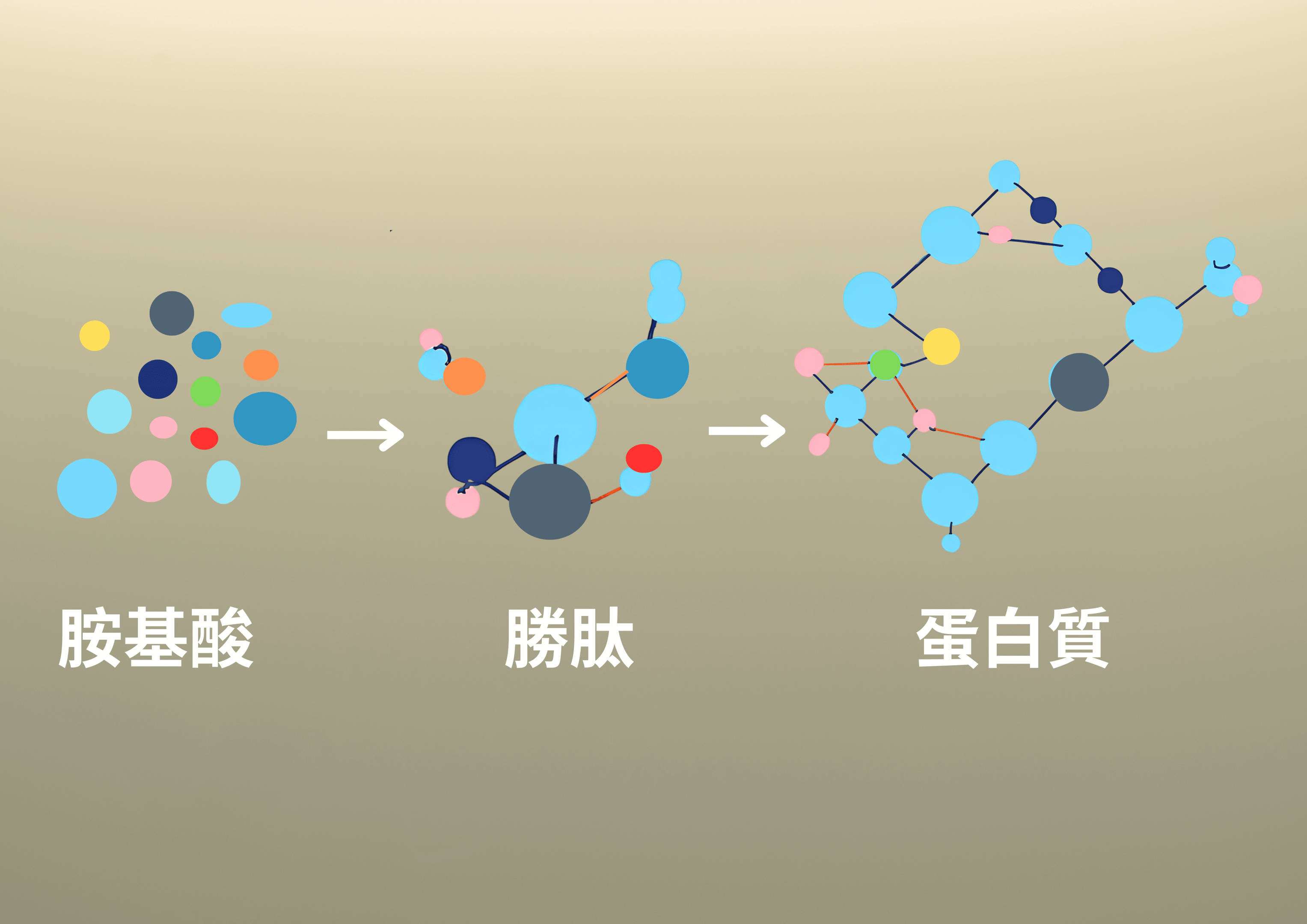

Amino acids, peptides and proteins are indispensable to life and health. Each plays a distinct role — from providing basic energy to enabling advanced cellular repair.
Amino acids are the most fundamental form, serving as the building blocks of peptides and proteins. There are 20 amino acids in the human body, nine of which are essential and must be obtained through diet. With their simple structure and rapid absorption, amino acids are especially suited for quick energy replenishment and post-exercise recovery.
Peptides are short-chain molecules of 2 to 50 amino acids linked by peptide bonds. More than 7,000 different peptides are known in the human body, performing specialized biological functions such as cell repair, hormone regulation and immune modulation.
Proteins are large, complex molecules made of one or more polypeptide chains. They form the structural foundation of the body and take part in vital processes including enzyme, antibody and hormone synthesis — but must first be broken down into peptides and amino acids before absorption.
What exactly is a peptide bond?
A peptide bond is the chemical link between two amino acids: the carboxyl group of one amino acid joins the amino group of another, releasing a molecule of water and forming a stable covalent bond. This simple linkage is what allows 20 amino acids to generate tens of thousands of functionally distinct molecules — much as the same 26 letters produce an unlimited number of sentences. The letters matter less than the order. That is why two peptides of similar size can do completely different jobs: sequence determines structure, and structure determines function.
The two numbers that define the categories: 2 and 50
- 2 to 50 amino acids = a peptide. Those at the shorter end (roughly 2 to 10) are often called oligopeptides or "small-molecule peptides" — the term you see most often on supplement labels.
- More than 50 amino acids = a protein. Collagen, whey and egg protein all sit here.
- A single amino acid = the smallest unit, for example BCAAs, L-arginine or L-cysteine.
Note that this boundary is a convention rather than a hard physical law — which is why you will see borderline molecules such as insulin (51 amino acids) described both as a peptide hormone and as a small protein. What matters in practice is not the label but the actual molecular weight and the absorption route, covered in Dalton molecular weight below.
Peptides: The Key to Precise, Efficient Health Support
For cell regeneration, immune enhancement and slowing aging, peptides are among the most advanced and effective options available. They are absorbed faster than proteins while delivering more precise physiological effects than amino acids alone.
Peptides provide rapid cellular nutrition and precise biological effects — particularly valuable for anti-aging, immune support and organ function repair.
As research advances, peptides are being explored and applied ever more widely in frontier fields including cancer therapy, treatment of neurodegenerative disease and regenerative medicine — which is precisely why peptides have moved from being a nutrition topic to being a regenerative-medicine topic.
The 7,000 Peptides in Your Body — You Already Know Several
"Peptide" sounds new, but peptides have been working inside you all along. These examples show how chain length maps to function.
Glutathione — a tripeptide
Built from just three amino acids (glutamate, cysteine, glycine), glutathione is the body's principal endogenous antioxidant, neutralising free radicals and participating in liver detoxification. Three amino acids, yet it anchors the whole antioxidant defence — the clearest possible demonstration that a peptide does not need to be long to be powerful. AFC's HIKARI contains L-cysteine, the rate-limiting precursor for glutathione synthesis.
Oxytocin — a nonapeptide
Nine amino acids form this hormone involved in uterine contraction during labour, milk let-down and social bonding. That such a short chain produces such a specific and powerful effect illustrates the core point: peptides act as signalling molecules, not merely as nutritional raw material.
Glucagon — 29 amino acids
Glucagon opposes insulin, prompting the liver to release glucose when blood sugar falls. The widely discussed metabolic medicines of recent years (the GLP-1 family) also belong to the peptide-hormone class — one reason peptides now occupy a far more prominent position in modern medicine than they did a decade ago.
Insulin — 51 amino acids
The best-known peptide hormone of all, regulating blood glucose. It sits exactly on the peptide/protein boundary and is therefore sometimes called a small protein — again showing that the classification is a convention while function is what counts.
Collagen peptide — a hydrolysis product
The "collagen peptides" or "hydrolysed collagen" on the market are large collagen molecules broken into shorter chains by enzymatic hydrolysis. This makes the decisive manufacturing step obvious: hydrolysis technology. The same raw material, hydrolysed to a different degree, yields completely different molecular weights and absorption profiles. AFC's nano-peptide processing is exactly this step — see Dalton molecular weight.
Comparison
Peptides vs Collagen vs Protein Powder vs Amino Acids
These four categories sit on the same shelf but solve different problems. Buying the wrong category wastes more money than buying the wrong brand.
Small-molecule peptides
- Structure: short chains of 2–50 amino acids
- Absorption: fast; absorbable directly, and partly via the sublingual mucosa into the bloodstream
- Action: targeted, with signalling capability (cell repair, hormones, immunity)
- Best for: cell repair and regeneration, anti-aging, organ support, immune support, post-surgery recovery
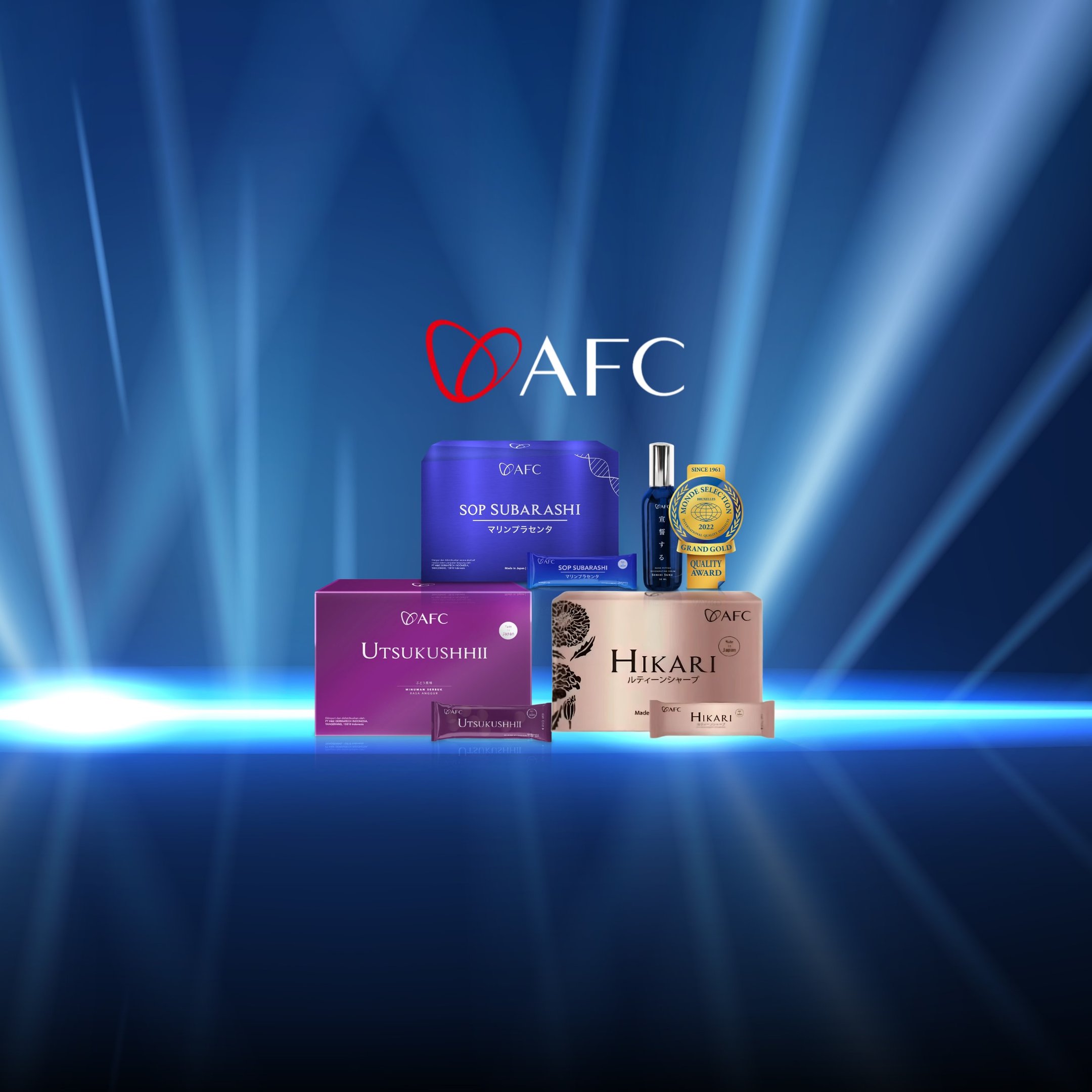
- AFC products: SOP Subarashi, Utsukushhii, Hikari, Sensei Suru
Collagen / collagen peptides
- Structure: a protein; shorter collagen peptides after hydrolysis
- Absorption: unhydrolysed forms must be broken down first, so action is slower
- Action: mainly supplies structural protein raw material, focused on skin and joints
- Best for: general skin and joint maintenance
- For reference: AFC states that the salmon milt DNA in Utsukushhii delivers health and skin-regeneration (anti-aging) effects ten times those of ordinary collagen
Protein powder (whey, soy, pea)
- Structure: protein, more than 50 amino acids
- Absorption: requires full digestion; this is a question of quantity
- Action: meets daily total protein intake and supports muscle synthesis
- Best for: training and muscle gain, inadequate protein intake, age-related muscle loss
- Note: solves an intake-volume problem, not a targeted-support problem
Single amino acids (BCAA, L-arginine, etc.)
- Structure: the smallest unit
- Absorption: fastest of all
- Action: rapid energy and post-exercise recovery; broad rather than targeted
- Best for: pre- and post-workout, short-term energy needs
- Limitation: cannot deliver the signalling function of peptides
In one line: choose protein powder for volume, amino acids for speed, and peptides for targeted repair and regulation. The three are not mutually exclusive, but if your goal is cell repair and regeneration or support for a specific organ, peptides are the only option with signalling capability.
Dalton Molecular Weight: The Number That Drives Absorption
What is a Dalton?
The Dalton is a unit of molecular weight; one Dalton is roughly the mass of a hydrogen atom. The smaller the number, the finer the molecule and the more readily it crosses cell membranes and physiological barriers. AFC describes its nano peptides as approximately one ten-thousandth the size of a human cell — that is, the 400 to 800 Dalton range.
How AFC's three oral products are engineered
- Hikari: 400 Dalton — the finest of the four. Its targets are the retina and brain neurons, both protected by tight barriers (blood–retinal and blood–brain), so the smallest molecule is required.
- SOP Subarashi: 600 Dalton — targets organs throughout the body (heart, liver, kidney, pancreas, bones and joints), distributed via the bloodstream.
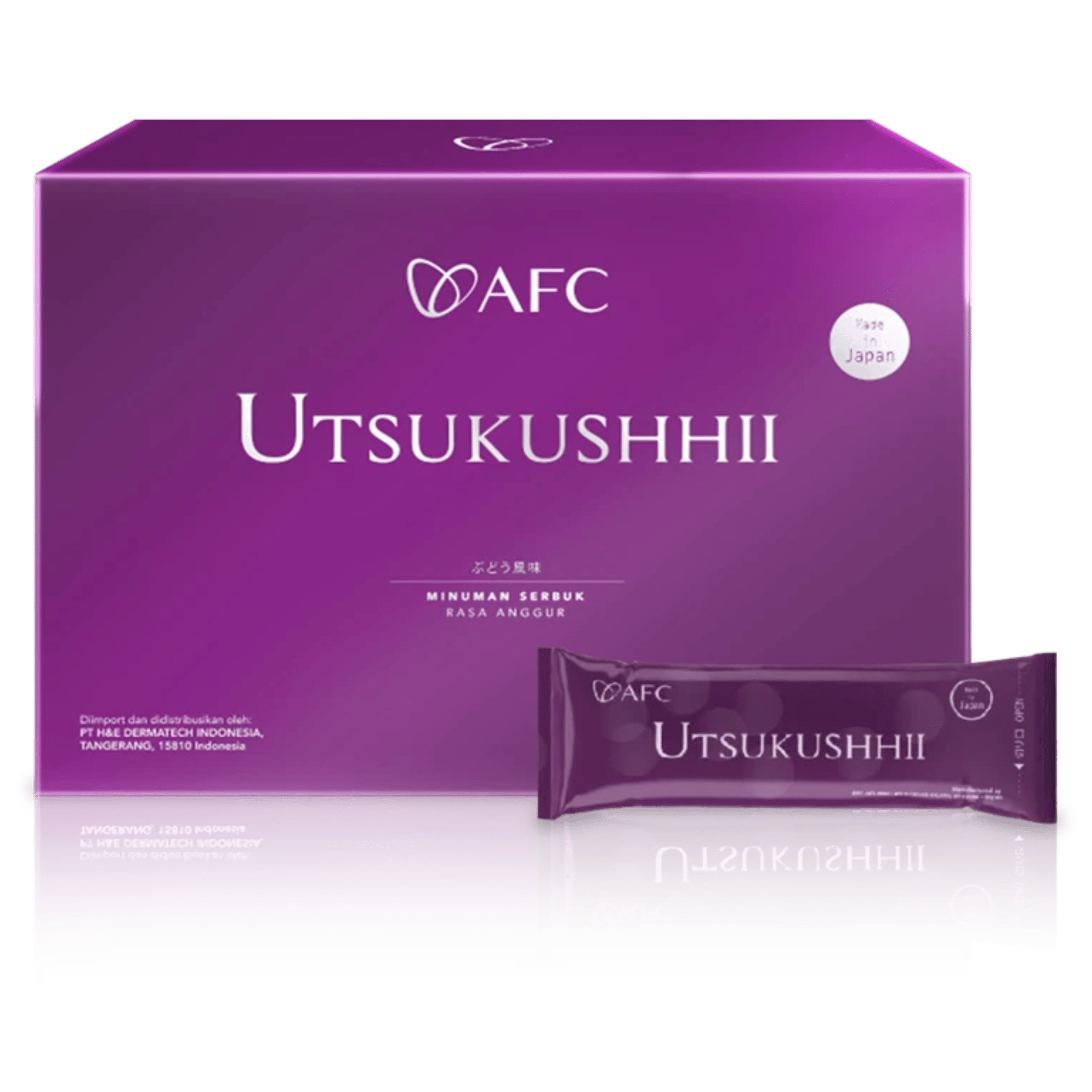
- Utsukushhii: 800 Dalton — works primarily in the gut and immune system, and contains live probiotics whose site of action is the intestine itself.
The lesson is that molecular weight is not a case of "smaller is always better" — it should be matched to the target tissue. Any claim that a finer molecule is automatically more effective oversimplifies the science.
A different benchmark for topical products: the 500 Dalton rule
Topical application follows different rules. Dermatology has a widely cited empirical guideline — the 500 Dalton rule — published by Bos and Meinardi in Experimental Dermatology in 2000: a compound generally needs a molecular weight below about 500 Dalton to penetrate the stratum corneum. Their reasoning was that virtually all common contact allergens, the vast majority of topical dermatological drugs, and every marketed transdermal patch ingredient fall under 500 Dalton. This is exactly why the topical Sensei Suru uses a nano-peptide design.
An honest caveat: the rule is an empirical screening heuristic. It predicts permeation, not efficacy, and it is not an absolute cut-off.
What else matters besides molecular weight
- Sequence and source: two 600-Dalton peptides, one from salmon ovary and one from a plant, do entirely different things.
- Dose: an active ingredient only matters at a sufficient dose — which is why patented ingredients usually state an approved intake level.
- Formula synergy: vitamin C, for example, is an essential cofactor for collagen synthesis and works in the same direction as peptides.
- Route of administration: the most frequently ignored factor and often the most influential — see sublingual administration.
Sublingual Administration: Why It Works and How to Do It
Why sublingual absorption is more efficient
The mucosa under the tongue is thin and densely supplied with capillaries. Once the powder dissolves in saliva, the actives can enter the bloodstream directly through those capillaries — bypassing gastric acid (a strongly acidic environment), digestive enzymes (which would break peptides down further) and first-pass hepatic metabolism. This is why certain medicines use sublingual dosage forms, and it is the basis for AFC listing sublingual administration as the optimal absorption method for its powdered peptides.
The five official steps
- Step 1 Drink a glass of water first to moisten the mouth.
- Step 2 Pour the sachet under your tongue in two to three portions.
- Step 3 Let the powder dissolve slowly in saliva — do not rush to swallow.
- Step 4 Finish with another glass of water.
- Alternative If your stomach is sensitive or you dislike holding powder in the mouth, dissolve the sachet in 200 ml of cool or room-temperature water for intestinal absorption. Utsukushhii contains live probiotics, so never use hot water.
Timing and dosage principles (identical for all three powders)
- Timing: one hour before a meal, one hour before prescription medication, or at least three hours after a meal.
- Optimal windows: 5–9 AM (peak gastrointestinal motility) and 5–7 PM (when the kidneys undergo energy restoration).
- General maintenance: 1 sachet daily.
- Minor health concerns: 2 sachets daily, morning and evening.
- Chronic conditions or recovery: build up gradually from 1 sachet three times daily to 2 sachets three times daily.
- Sensitive stomach: start five minutes before a meal, then extend to 15 minutes, 30 minutes and finally one hour as you adapt. Those with severe gastritis should take it after meals.
Full dosing guidance and product-specific precautions are set out on each product page: SOP Subarashi, Utsukushhii, Hikari and Sensei Suru.
Do Oral Peptides Actually Work? An Honest Discussion
This deserves a serious answer, because both extremes of the public debate are inaccurate.
The objection: peptides get digested
Critics point out that peptides are, by nature, protein fragments. Taken orally, they are further broken down by gastric acid and intestinal enzymes into smaller fragments or single amino acids — so they may not reach target cells intact. Physiologically, this objection is valid and should not be dodged.
The response: molecular weight, route and dose
- Molecular-weight engineering: hydrolysing to 400–800 Dalton reduces how much further breakdown is required and improves the odds of intact absorption.
- The sublingual route: AFC recommends holding the powder under the tongue rather than swallowing it precisely in order to bypass gastric acid and digestive enzymes.
- Empty-stomach timing: reduces competition for absorption and the chance of being digested along with a meal.
- Even when broken down, it is not wasted: the resulting amino acids and short fragments remain raw material for cellular repair — though that is nutritional support rather than signalling action.
Managing expectations honestly
The realistic position is this: oral peptides provide cumulative nutritional and maintenance support, not pharmacological instant results. That is exactly why AFC recommends consistent long-term intake rather than promising results within days. It should also be clear that AFC products are health foods — they cannot diagnose, treat or prevent disease and cannot replace a doctor's prescription. Any claim that a supplement "cures" a disease is not the company's position.
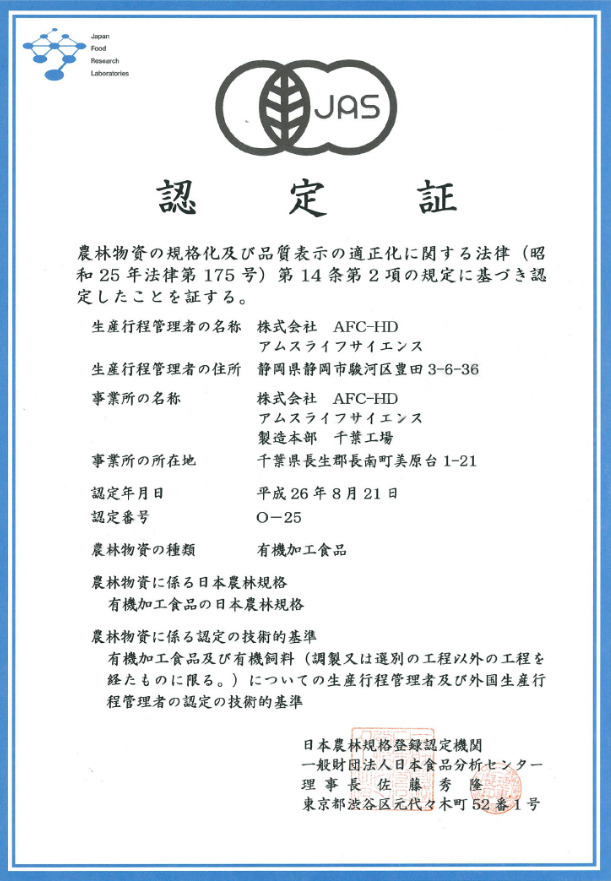
We include the objection because in the supplement market, a source willing to state its limitations is the one worth trusting. For verifiable third-party evidence, see the patent numbers on each product page and the GMP, organic JAS and ISO/IEC 17025 certifications held by the manufacturer.
Benefits
Benefits of Peptides
Through specialized biological functions, peptides play a vital role in health and well-being. Peptide functions include:
- Support cell and DNA regeneration
- Promote intercellular communication
- Facilitate tissue repair and regeneration
- Enhance immune function
- Regulate hormonal balance
- Provide anti-inflammatory and antioxidant benefits
- Improve gut health and digestion
- Support skin health and renewal
- Aid muscle growth and recovery
- Strengthen joint and bone health
- Combat signs of aging
- Accelerate wound healing
- Help manage metabolic disorders
How the four core functions actually work
Supporting cell and DNA regeneration. Cell renewal requires both protein raw material and nucleotide units. Peptides supply the former; nucleic-acid ingredients such as the salmon milt DNA in Utsukushhii supply the latter. This is the logic behind positioning SOP Subarashi as a natural alternative to stem cell therapy — it nourishes and activates the body's own stem cells, including dormant ones. The product itself contains no stem cells.
Promoting intercellular communication. This is the fundamental difference between peptides and protein powder. Many peptides are signalling molecules in their own right (oxytocin and glucagon above), binding to cell-surface receptors and triggering specific responses. In other words, a peptide is not only building material — it is also an instruction.
Enhancing immune function. Roughly 70% of the human immune system sits in gut-associated lymphoid tissue (GALT). Improving the gut therefore improves the physical basis of immunity, which is why the probiotic-containing Utsukushhii is commonly used as a foundation product; its formula direction also involves raising NK (natural killer) cell activity.
Regulating hormonal balance. A great many hormones are themselves peptides — insulin, glucagon, oxytocin. SOP Subarashi's stated benefits include helping regulate hormonal balance, including menopause symptom management, and the product is certified free of hormones: the direction of action is to support the body's own regulatory mechanisms. See related sharing on the testimonials page.
Why AFC
Why Choose AFC Peptides
AFC peptides combine science with real results. For your health, choose only the best.
Not all supplements are equal. Unlike ordinary vitamins or minerals, AFC peptide products are super health foods that combine advanced technology, premium patented ingredients, clinical validation and over 180 years of Japanese pharmaceutical expertise.
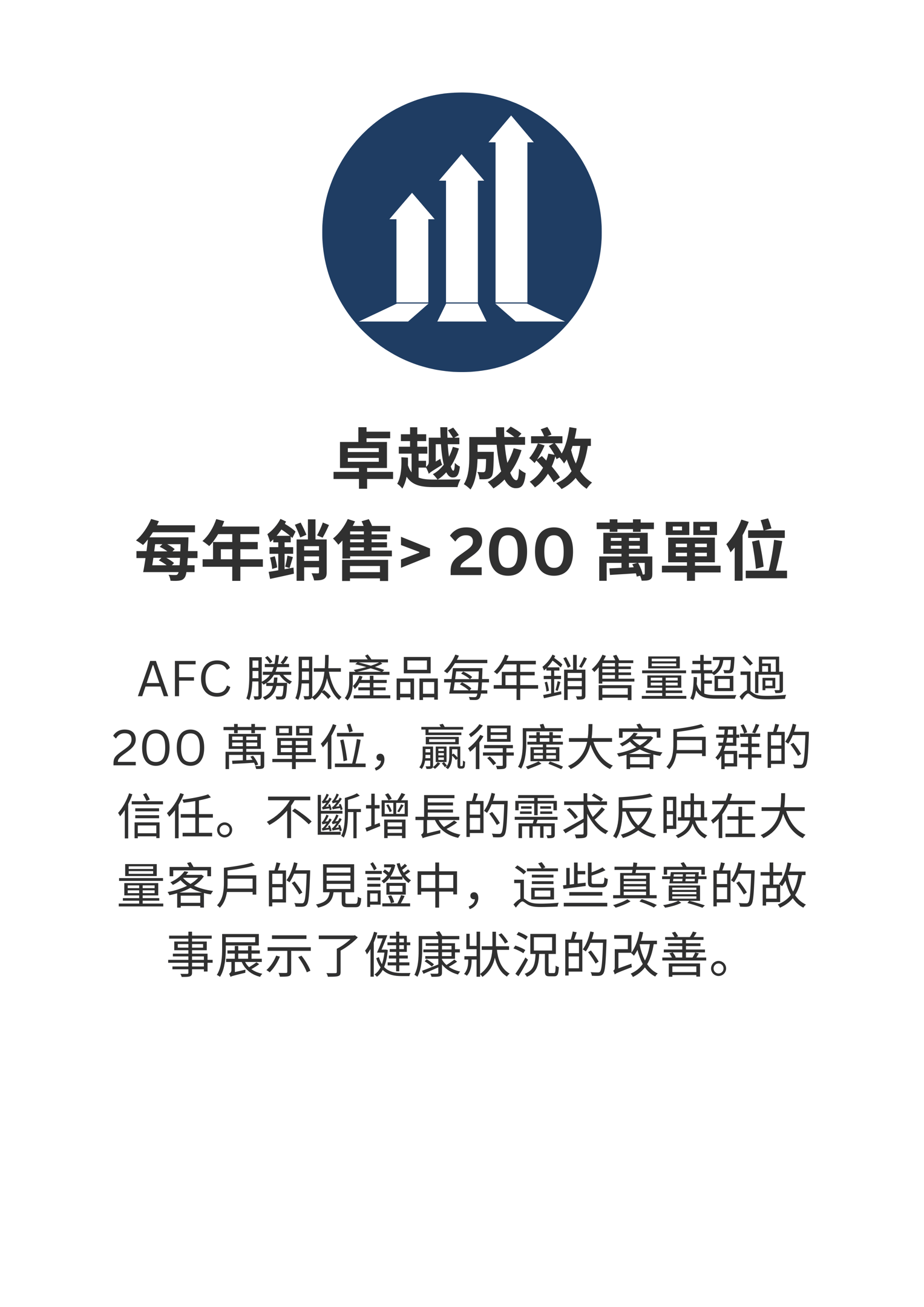
More than two million AFC peptide items are sold each year, backed by a broad base of loyal customers — and behind that continued growth sits a large body of real-world stories of improved health.

Be a Smart Consumer:
Top 10 Reasons to Choose AFC Peptide Products
1. A top Japanese manufacturer, founded in 1969
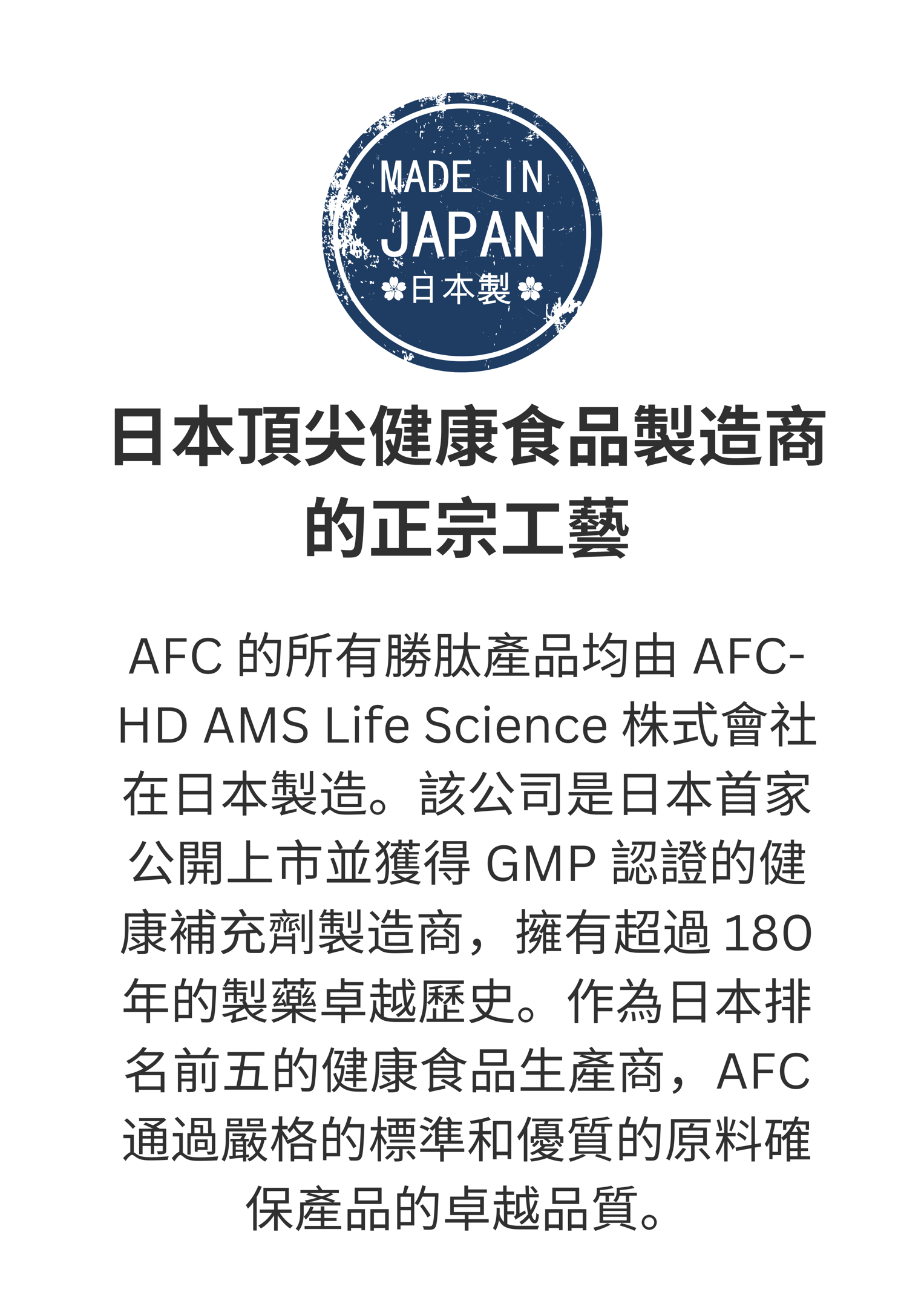
AFC-HD AMS Life Science Co., Ltd was founded by Asayama Tadahiko in 1969. In 2005 it became the first company in Japan's health food industry to be publicly listed on the JASDAQ Securities Exchange (stock code 2927) while holding GMP certification. It is now one of Japan's top five health and beauty brands, with 1,000 employees and annual turnover of JPY 15 billion (approximately USD 134 million). Read the company background →
2. All four production plants are GMP certified
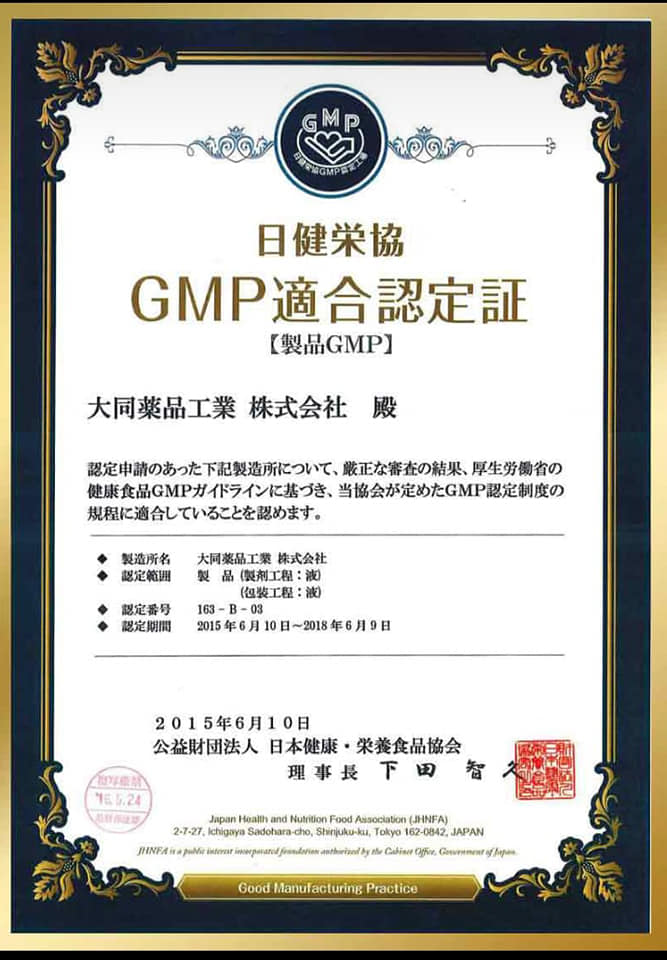
The Toyoda head office plant, Toyoda second plant, Kunikichida plant and Chiba plant all hold GMP certification. The Chiba plant additionally holds organic JAS certification from the Japan Food Research Laboratories (JFRL), and the NYK Nihon Preventive Medicine Institute holds ISO/IEC 17025:2005. GMP governs the entire production process — raw material acceptance, facility zoning, batch records and finished-product traceability — not merely finished-goods spot checks. See certification details →
3. Clinical validation and 26 functional patents
The four products hold 26 functional patents in total, every one with a publicly verifiable patent number: eight for SOP Subarashi, eight for Utsukushhii, five for Hikari and five for Sensei Suru. Because the numbers can be checked independently, this is the sharpest possible contrast with supplements that simply assert effectiveness. Each product page lists its patents in full.
4. Nano peptide technology: 400 to 800 Dalton
Hydrolysed to nano scale (about one ten-thousandth the size of a human cell) and then set separately according to target tissue: Hikari at 400 Dalton, SOP Subarashi at 600 Dalton and Utsukushhii at 800 Dalton. Molecular weight is matched to function rather than minimised for its own sake. Understand the science →
5. Purity and safety: zero tolerance on six contaminant classes
AFC peptide products are rigorously tested and certified free from antibiotics, pesticides, heavy metals, harmful chemicals, hormones and nuclear radiation contamination. For a product intended for long-term daily use, cumulative exposure to heavy metals and pesticide residues matters more than any single-dose effect.
6. Single-serve sachets, easy to carry
The powders come in individually sealed sachets (SOP Subarashi 3.5 g per sachet; Utsukushhii and Hikari 2.5 g per sachet) — no scoop required, no moisture problems, and straightforward fixed dosing for work, travel and older users.
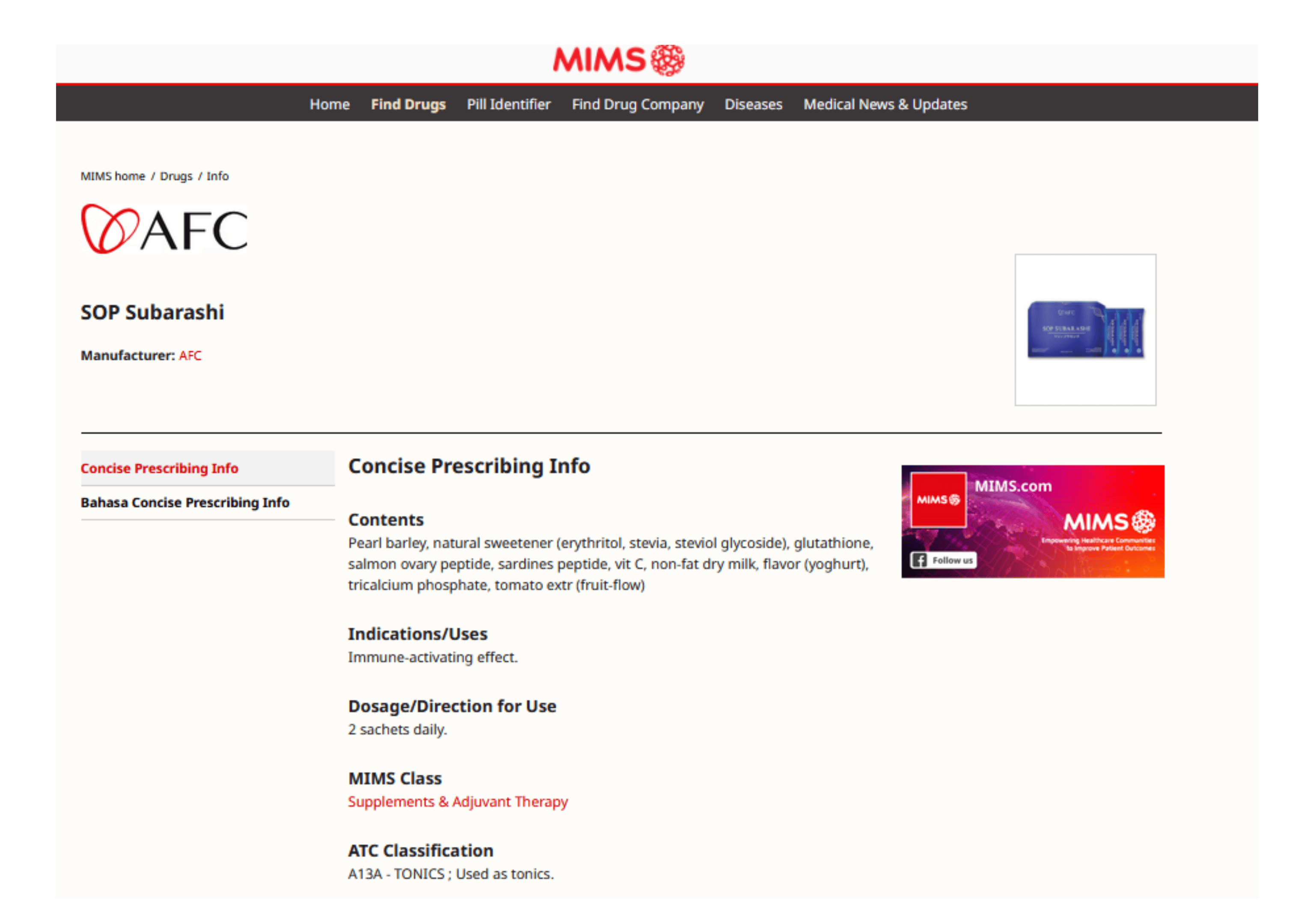
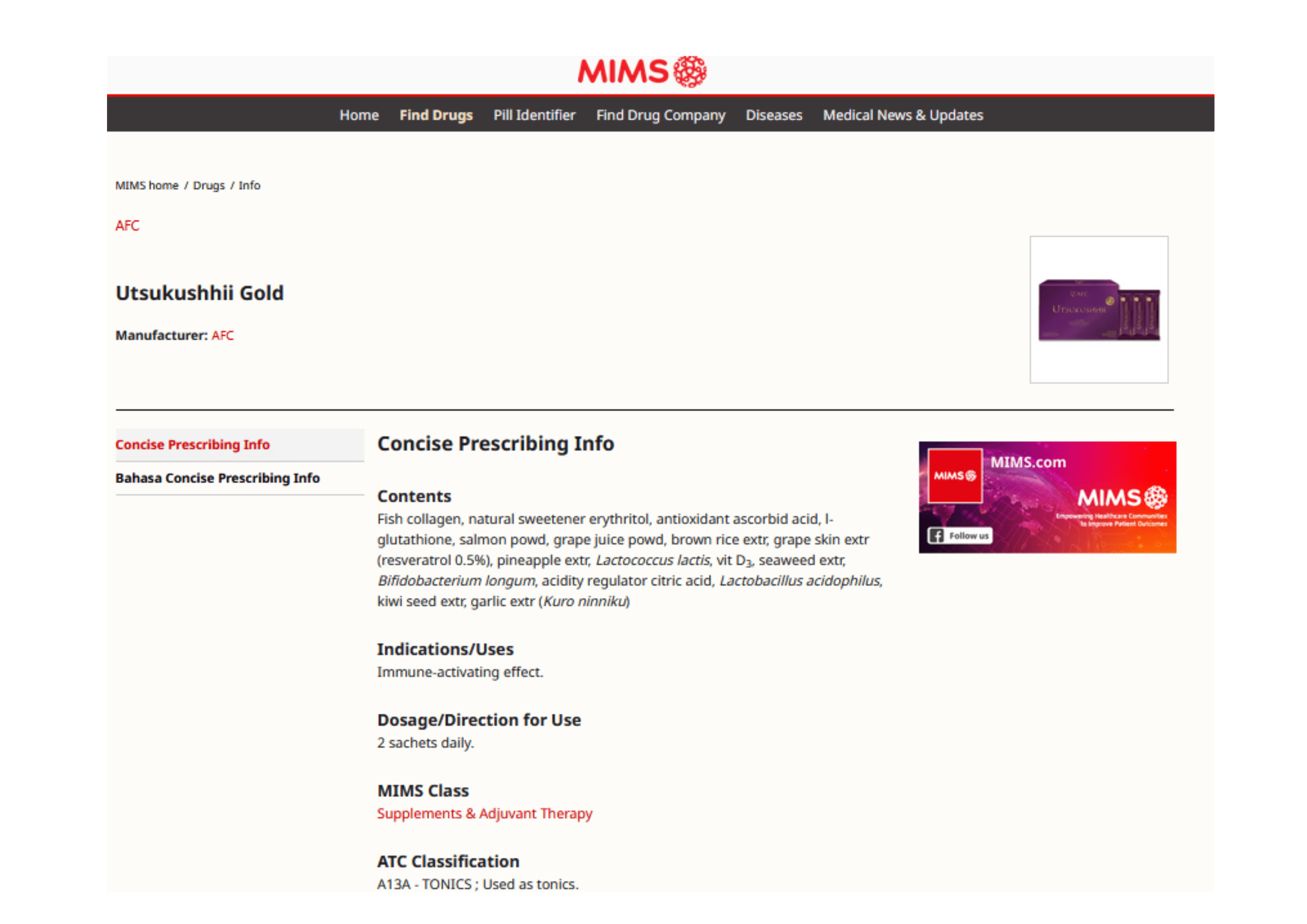
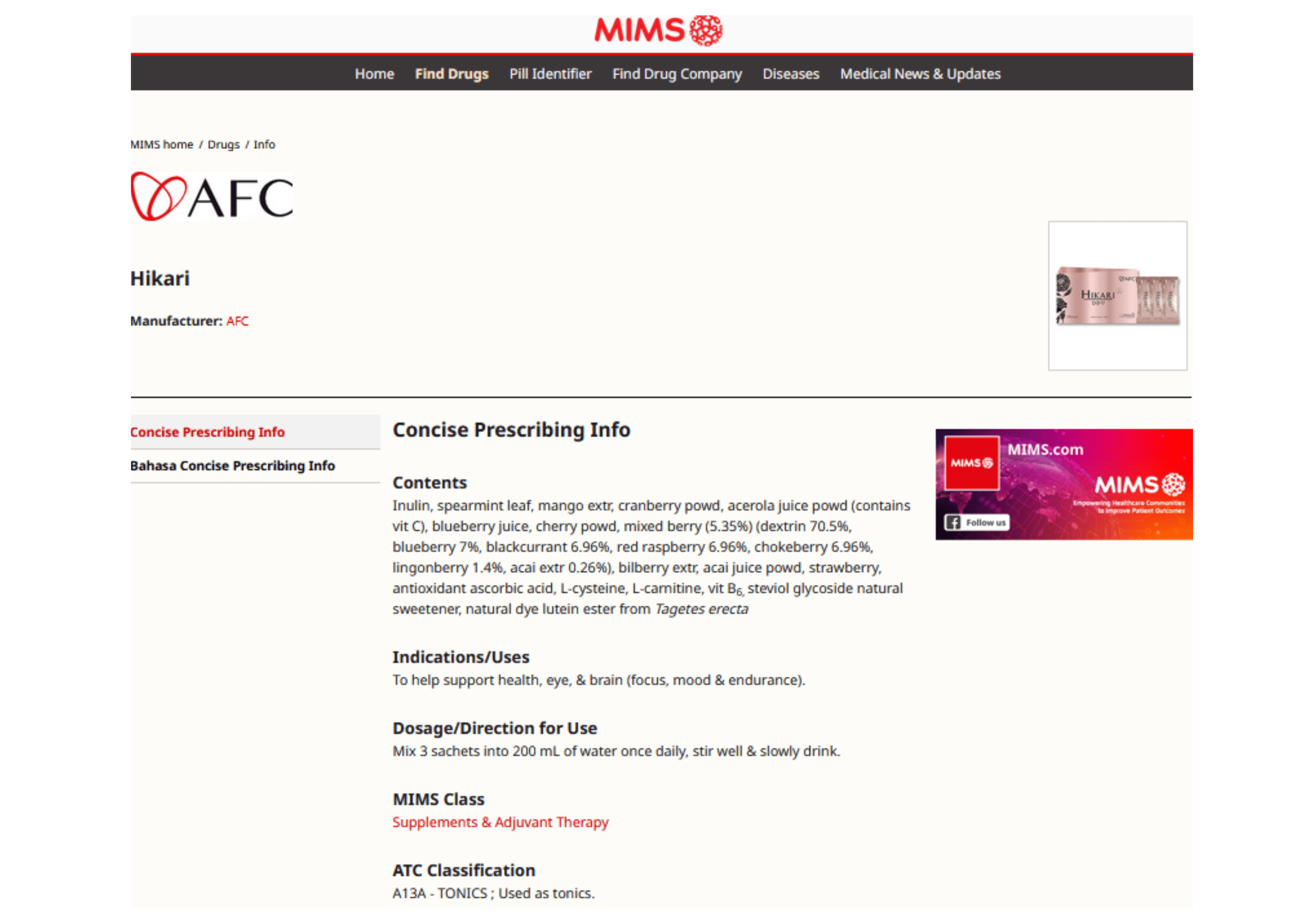
7. Medical recognition: listed in MIMS Indonesia
MIMS is a drug and product information reference widely used by healthcare professionals. A listing means the product data is presented in a standard format that clinicians can consult when discussing nutritional support — which is a different thing from being approved as a medicine. See what doctors say →
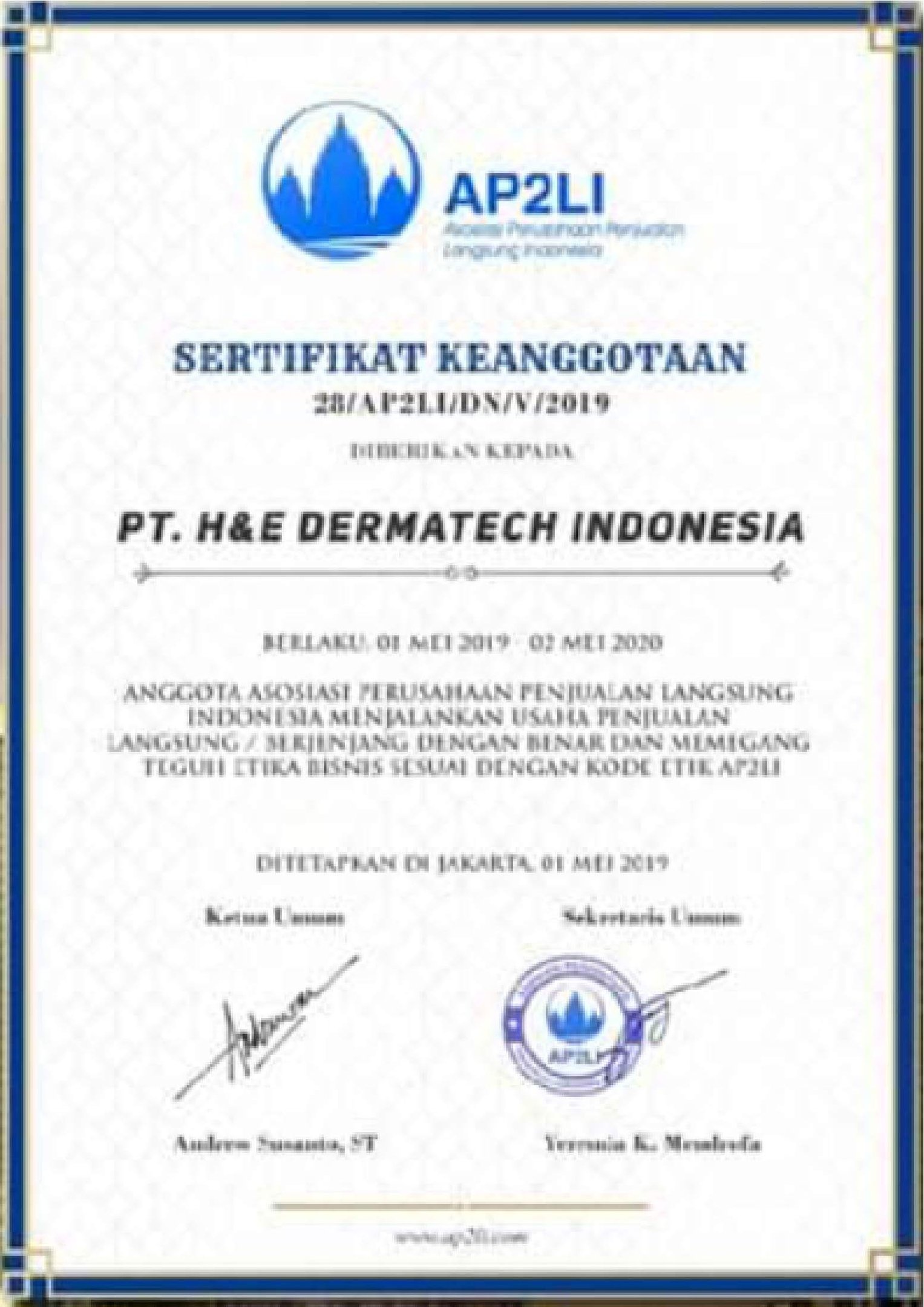
8. Recognition from international organisations
The official graphic presents this as organisation-level recognition. Please read it as published: it is recognition at an organisational level and does not constitute a therapeutic claim for any disease, nor does it imply the product can replace medical treatment.
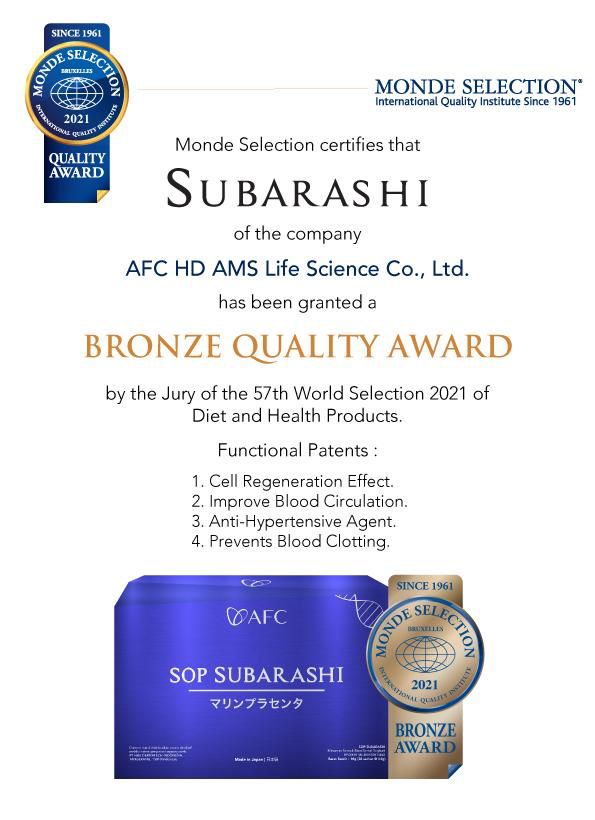
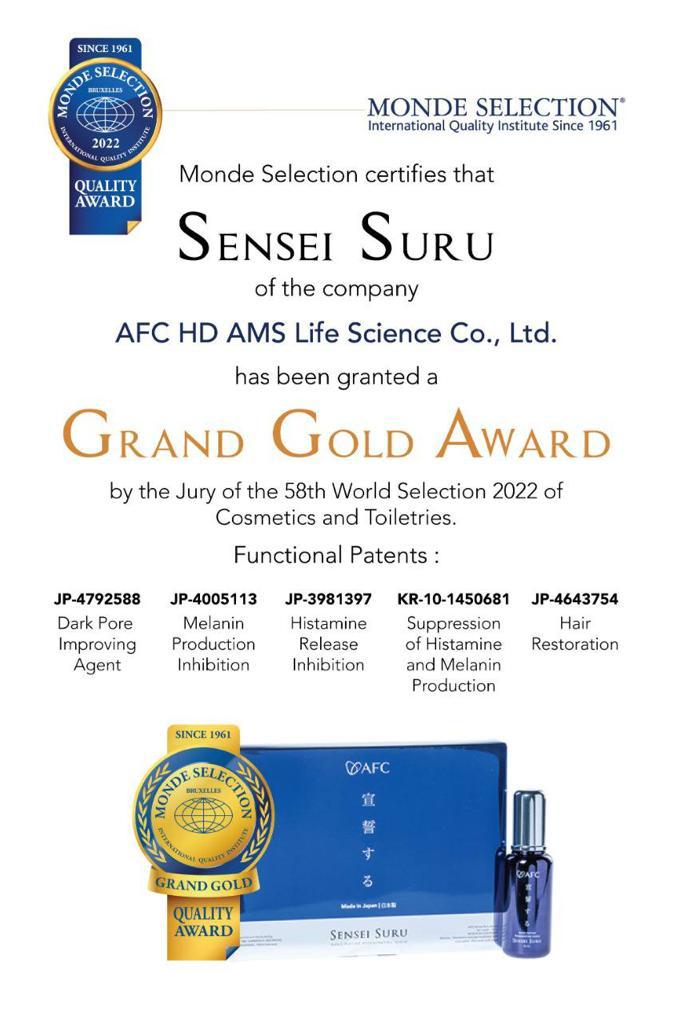
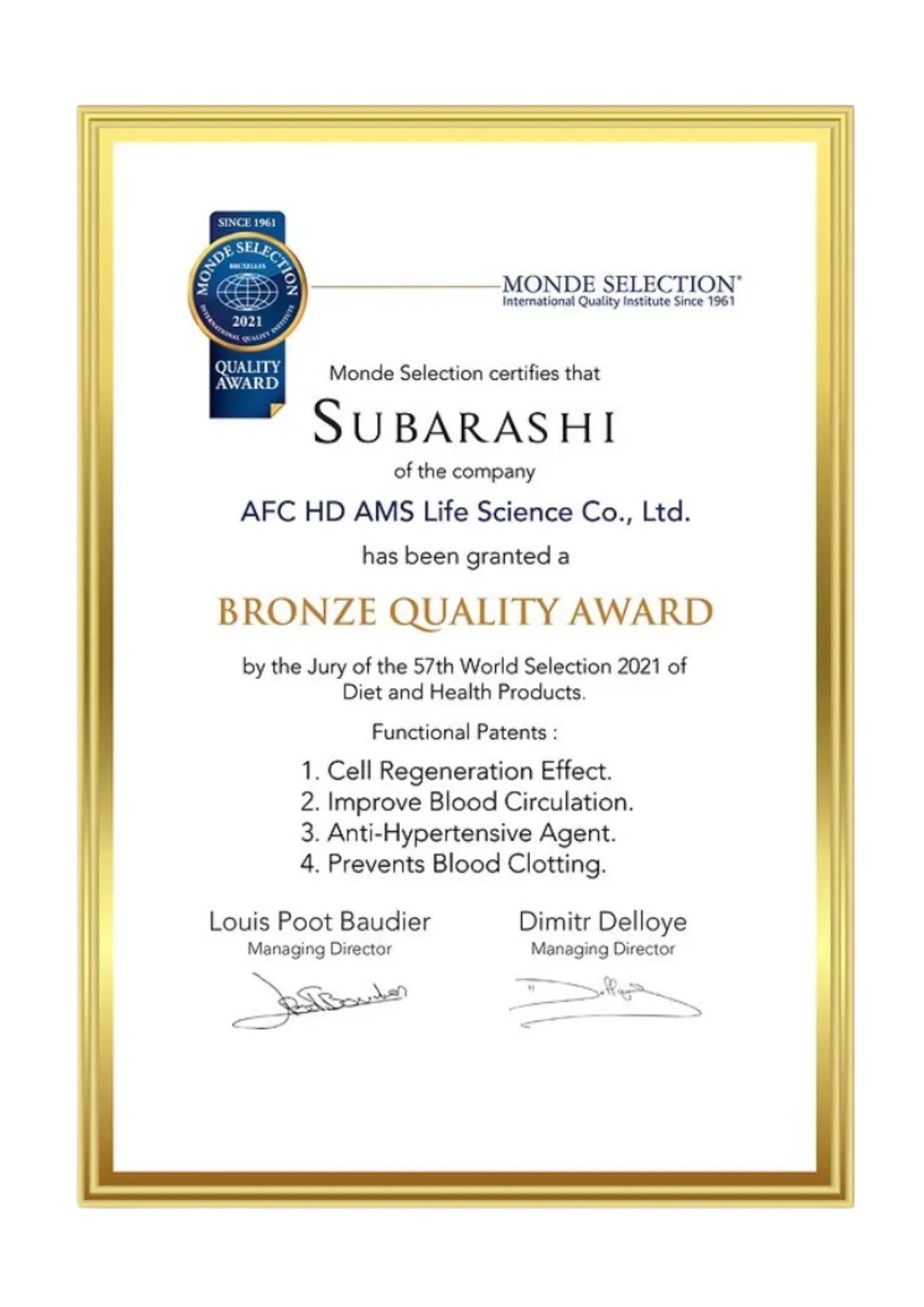
9. Award-winning quality
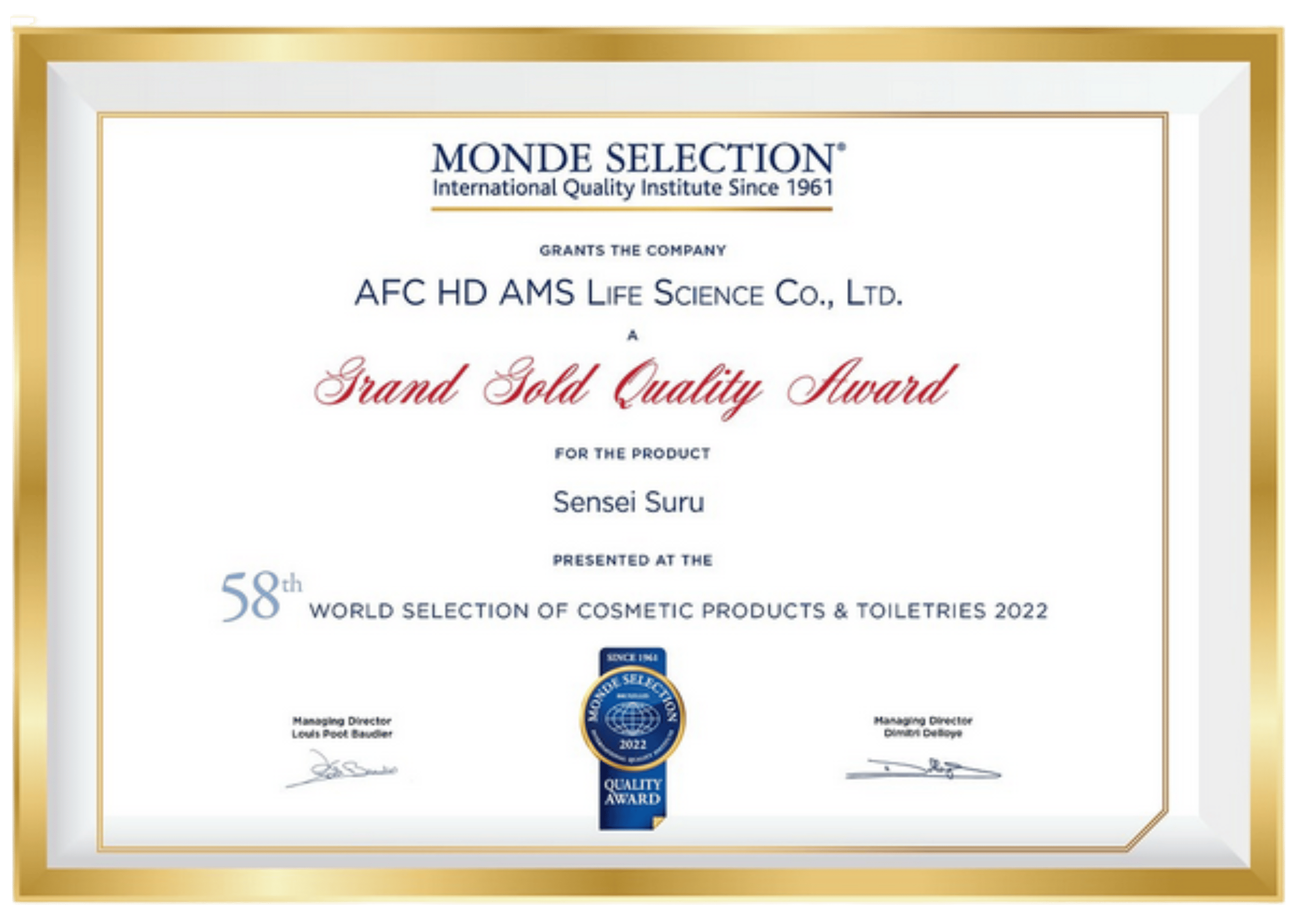
Monde Selection International Quality Institute: SOP Subarashi took Bronze in 2021 and Sensei Suru took the highest honour, the Grand Gold Award, in 2022. Helmy Attamimi Award "Product of the Year": both SOP Subarashi and Utsukushhii won in 2020, 2022 and 2024. Hikari set a MURI world record in 2024, selling 17,589 boxes within four hours of launch. See awards and records →
10. Outstanding results and real testimonials
More than two million items sold annually and more than two million registered customers and distributors. The site documents 52 before-and-after user cases across ten health categories, plus 22 pieces of sharing from physicians. Individual results vary by constitution and are not a guarantee of outcomes. View all testimonials →

Certifications, Awards & Professional Recognition

Product Guide
Four Products Compared and Matched to Goals
All four are peptide products, yet their source, molecular weight and target differ completely. Here is the quick comparison.

SOP SUBARASHI
600 Dalton · 8 patents
Six active peptides from salmon ovary, sardine, Fruitflow® tomato, salmon caviar, salmon muscle and tuna heart. For blood circulation, blood pressure, cholesterol and glucose support, uric acid and gout, liver function, bone and joint health, hormonal balance, kidney function and post-surgery recovery.
UTSUKUSHHII
800 Dalton · 8 patents
Hokkaido salmon milt DNA with three probiotics, 750 million probiotics per sachet. For immune support, NK cell activity, gut detox and repair, liver detoxification, allergic tendency, and nutritional support during cancer treatment.

HIKARI
400 Dalton · 5 patents · Vegan
Triple plant peptides from marigold, spearmint and mango leaf with ten berry extracts. For macular protection, eye fatigue, blue-light filtering, neurogenesis, cognitive support and memory.

SENSEI SURU
Topical serum · 5 patents
Marine placental peptide with salmon DNA and over 53 complex amino acids. For skin renewal and anti-aging, blackheads and pores, brightening, wound and scar care, and hair regrowth.
Buying Guide
Six Checkpoints for Buying Any Peptide Product
This is a general checklist you can apply to any brand of peptide supplement — including AFC.
1. Is the ingredient source stated clearly?
A label that says only "collagen peptide" or "small-molecule peptide" without naming the species, the body part and the origin is not transparent. For comparison, AFC names salmon ovary, sardine, salmon caviar, salmon muscle, tuna heart, marigold, spearmint and mango leaf, along with Hokkaido sourcing.
2. Is the molecular weight disclosed?
A specific Dalton figure — not just the word "nano" or "small molecule" — is what makes comparison possible. Check too whether the figure fits the claim; topical products in particular should be read against the 500 Dalton rule.
3. Are the patents and research verifiable?
With a published patent number you can check the applicant, title and content yourself on Google Patents or a national patent office. An "exclusive patented technology" with no number cannot be verified. AFC lists all 26 patent numbers publicly.
4. Does the manufacturing side hold third-party certification?
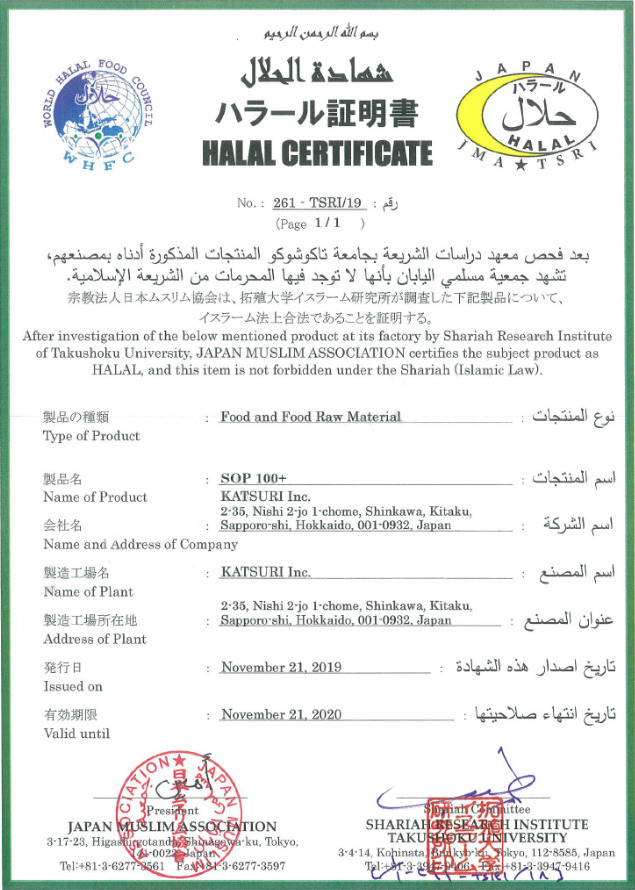
GMP (production process), ISO/IEC 17025 (testing laboratories), organic JAS and HALAL are third-party audited; a brand's own claim of "strict quality control" is not. Also check whether certification covers every plant or only one showcase facility.
5. Is there a contaminant testing statement?
Any product intended for long-term use should state whether it is tested for heavy metals, pesticide residues, antibiotics and microbiological safety. Marine-sourced ingredients in particular warrant attention to heavy metals.
6. Is the marketing language reasonable?
This is the easiest signal to read and the most often ignored: a product claiming to cure cancer, reverse diabetes or replace medication carries legal risk in many jurisdictions and contradicts basic science. A trustworthy product also states its limitations, who should not use it, and possible interactions with medication — as each AFC product page does, for instance the interaction between SOP Subarashi's Fruitflow® content and anticoagulant medication, and the restrictions on Utsukushhii for people who are immunosuppressed or undergoing chemotherapy.
FAQ
Peptide FAQs
What is a small-molecule peptide?
A peptide is a short-chain molecule of 2 to 50 amino acids joined by peptide bonds; the shorter ones (roughly 2 to 10 amino acids) are commonly called small-molecule peptides. More than 7,000 peptides are known in the human body, each handling a specialised function such as cell repair, hormone regulation or immune modulation.
How do peptides differ from collagen and protein powder?
Collagen and protein powder are proteins (more than 50 amino acids) that must be broken down into peptides and amino acids before absorption, so they act more slowly and serve as volume supplementation. Peptides contain only 2 to 50 amino acids, absorb faster, act more specifically and carry signalling capability. AFC states that the salmon milt DNA in Utsukushhii delivers health and skin-regeneration effects ten times those of ordinary collagen.
Is a lower Dalton figure always better?
No. Molecular weight should match the target tissue: Hikari at 400 Dalton (retina and brain neurons), SOP Subarashi at 600 Dalton (organs throughout the body) and Utsukushhii at 800 Dalton (gut and immunity, with live probiotics). Topical products can be read against the 500 Dalton rule.
Do I have to take it sublingually?
Sublingual administration is the method AFC recommends because it bypasses gastric acid and digestive enzymes. If your stomach is sensitive or you dislike holding powder in the mouth, dissolve the sachet in 200 ml of cool or room-temperature water. Never use hot water for Utsukushhii, which contains live probiotics.
When should I take it, and at what dose?
Take on an empty stomach: one hour before a meal, one hour before prescription medication, or at least three hours after a meal; the optimal windows are 5–9 AM and 5–7 PM. Dosage is 1 sachet daily for general maintenance, 2 sachets daily for minor health concerns, and a gradual build-up from 1 sachet three times daily to 2 sachets three times daily for chronic conditions or recovery.
Won't oral peptides simply be digested and wasted?
It is a fair objection. The countermeasures are hydrolysing to 400–800 Dalton so that less further breakdown is needed, using the sublingual route to bypass digestion, and taking the product on an empty stomach. Even when partly broken down, the resulting amino acids and fragments remain raw material for cellular repair. The reasonable expectation is cumulative maintenance support rather than pharmacological instant effect.
Are peptide products safe? What should I watch for?
AFC peptides are certified free from antibiotics, pesticides, heavy metals, harmful chemicals, hormones and nuclear radiation contamination. Even so: people with fish or seafood allergy should avoid marine-sourced products; those on anticoagulant or antiplatelet medication should note that SOP Subarashi contains Fruitflow®; people who are immunosuppressed or undergoing chemotherapy should note that Utsukushhii contains live probiotics; and pregnant or breastfeeding women and children should consult a healthcare professional first.
Which AFC product should I choose?
Choose SOP Subarashi for organ and chronic-condition support; Utsukushhii for immunity, gut health and nutritional support during treatment; Hikari for eye and brain health; and topical Sensei Suru for skin, scars and hair regrowth.
Can all four be used together?
Yes. AFC suggests combining according to your goal — for example SOP Subarashi with Utsukushhii (gut foundation plus organ repair), SOP Subarashi with Sensei Suru (faster cell regeneration and hair regrowth), or Utsukushhii with Sensei Suru (allergic tendency and skin repair). Sensei Suru is topical and does not conflict with oral products.
Are peptide products medicines? Can they replace treatment?
No to both. AFC peptide products are health foods. They cannot diagnose, treat or prevent disease and cannot replace a doctor's prescription or any medical procedure. Any decision to stop or change medication must be made by your treating physician.
Where are AFC products manufactured?
100% made in Japan by AFC-HD AMS Life Science, founded in 1969 and listed on JASDAQ in 2005 (stock code 2927). All four plants hold GMP certification, the Chiba plant holds organic JAS, and the NYK institute holds ISO/IEC 17025:2005. See certification details →
How do I order?
Become a member for member pricing through Become a Customer; pick-up can be arranged in Hong Kong and Sydney, and international shipping quotes are available on request. You can also contact us directly.
Information on this page is for general reference only and does not constitute medical advice, diagnosis or treatment. Individual results vary. AFC peptide products are health foods, not medicines.
Testimonials
Testimonials
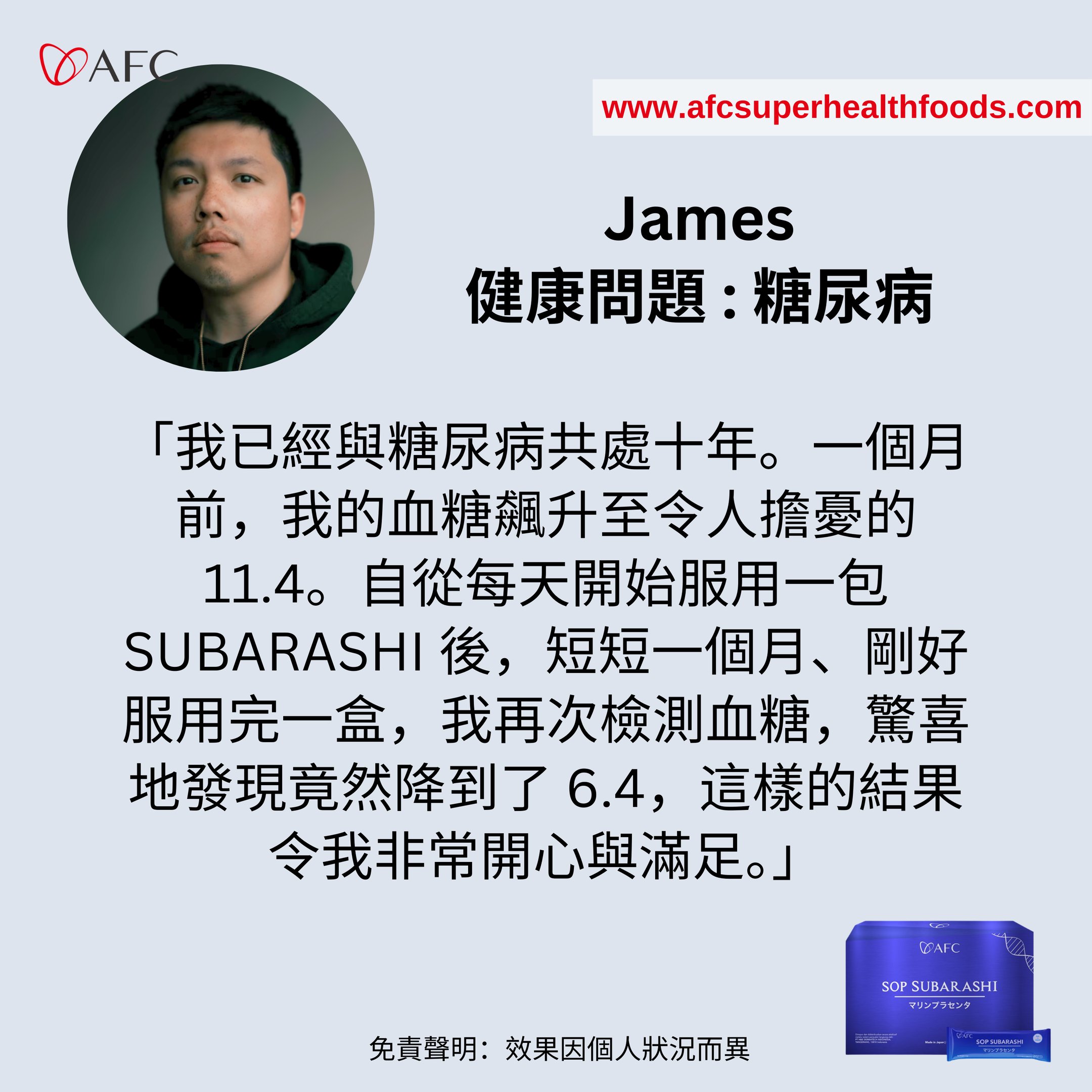
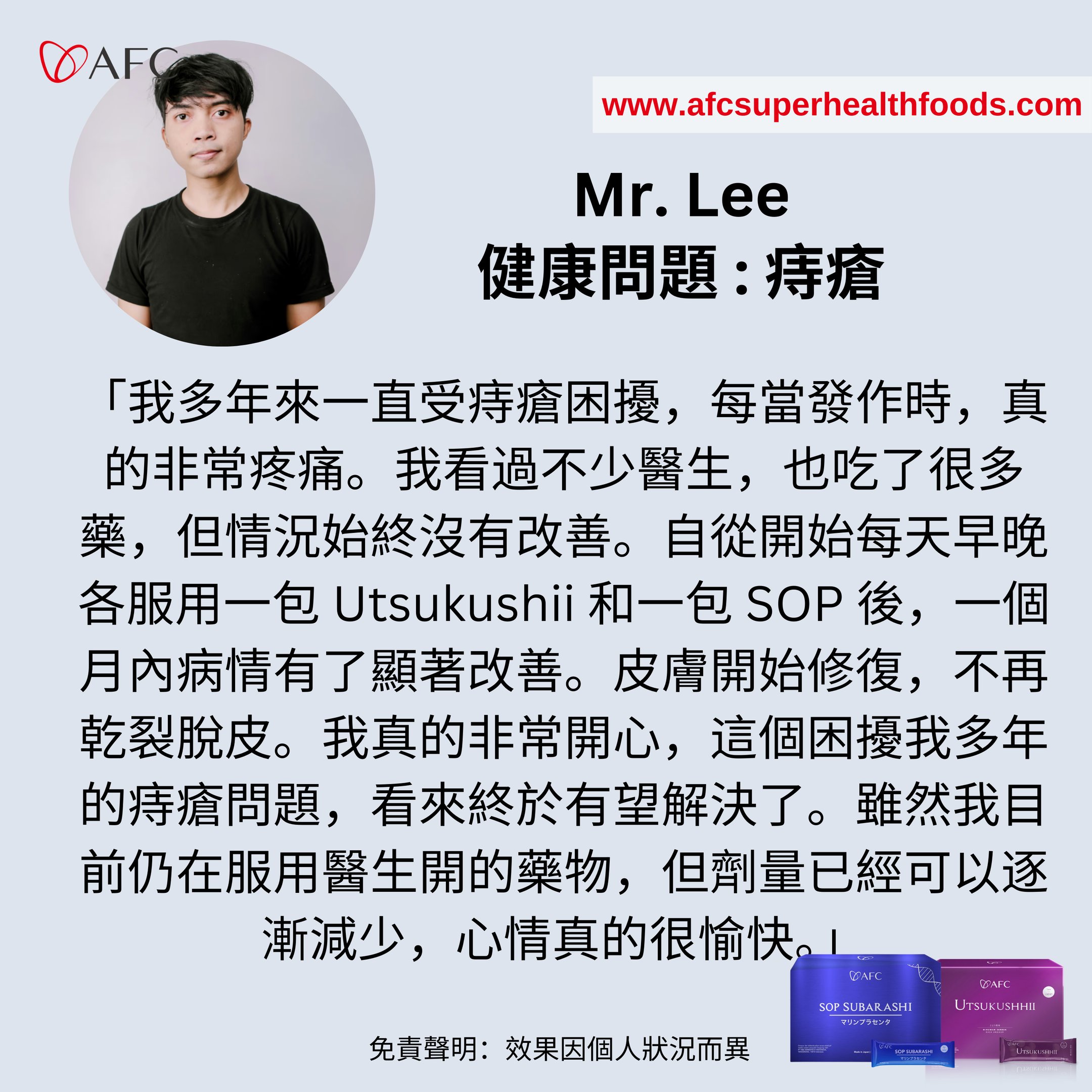
Excerpts from user sharing. Individual results vary with constitution, age, medical history and concurrent treatment, and are not a guarantee of outcomes.
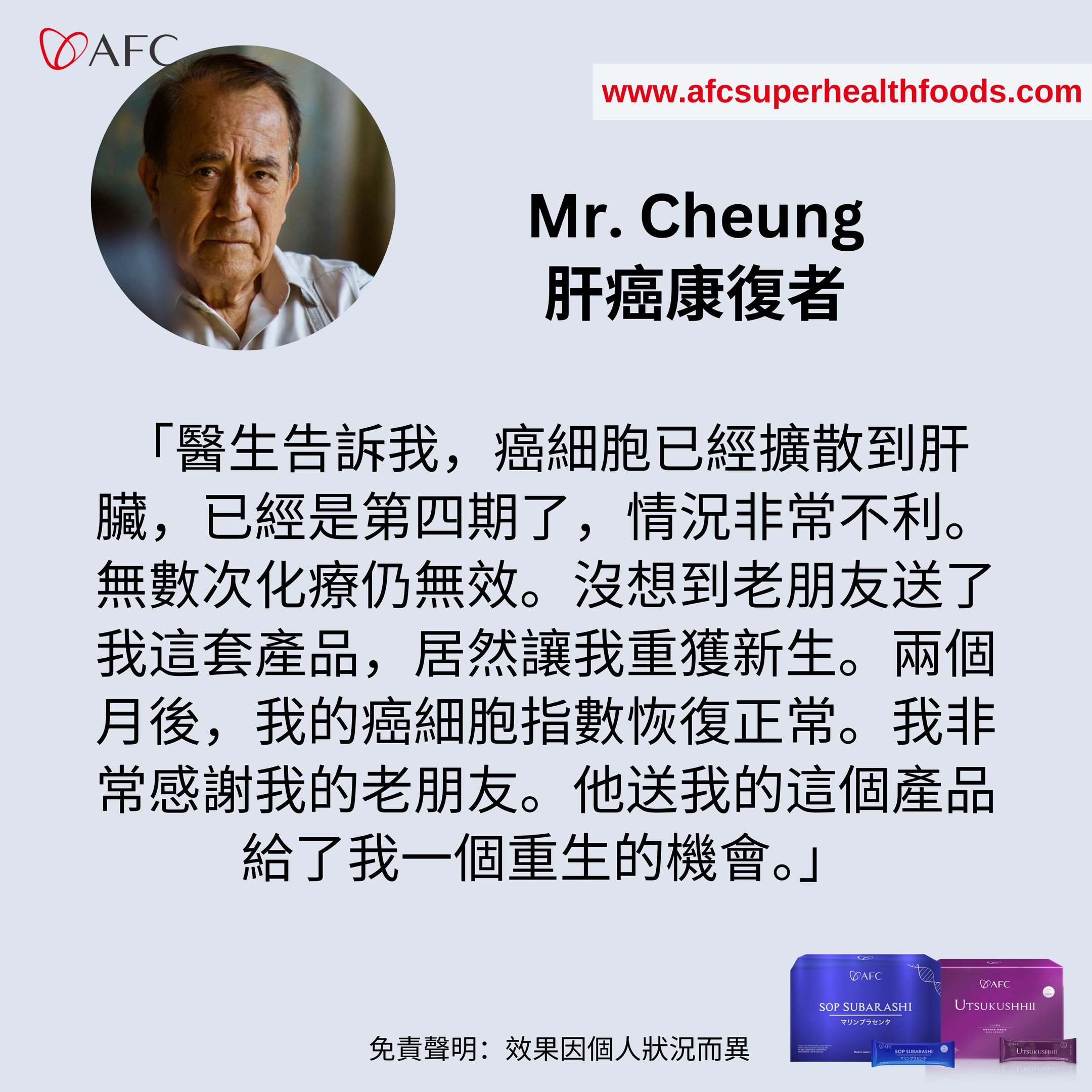
Browse by category on the testimonials page, or read what doctors say.